
Blog
Advantages of Greenhouses: Secrets to Successful Gardening

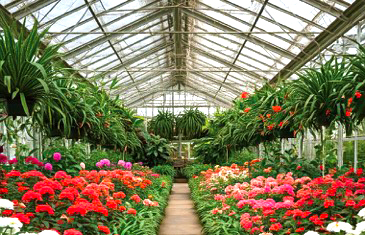
The Ultimate Guide to Modern Greenhouse Efficiency: Why Polycarbonate is the 2026 Standard
For decades, the greenhouse was defined by its ability to simply “trap heat.” However, modern horticulture has evolved. Today, a greenhouse is a precision instrument designed to manage the delicate balance of light quality, thermal insulation, and structural resilience.
According to technical research and product performance data from VULCAN Polycarbonate, the industry has shifted away from traditional glass and low-durability plastics toward high-performance polycarbonate. This shift is driven by the need for materials that do more than just provide a barrier; they must actively contribute to the Photosynthetically Active Radiation (PAR) available to the plants.
1.The Science of Greenhouse Glazing: Why Material Choice Matters
The core purpose of a greenhouse is to create an optimized microclimate. While glass was once the gold standard, its limitations—weight, fragility, and poor light diffusion—have made it less viable for large-scale or high-tech operations.
Polycarbonate Glazing vs. Traditional Greenhouse Glazing Materials
When evaluating glazing options, three factors are paramount: thermal efficiency, impact resistance, and light management. While Polyvinyl Chloride (PVC) or Polyethelene (PE) films are lighter and require lower initial investment, it’s lower light transmission properties, shorter lifespan and lesser strength requires frequent maintenance and a short replacement cycle, from which the accumulated expense over time may exceed the iniital investment of a polycarbonte sheet covered greenhouse.
- Thermal Insulation: High-performance polycarbonate sheets provide superior insulation compared to single-pane glass. This is critical for reducing the “Energy Load” of a greenhouse. By retaining heat during winter nights and reflecting excess infrared (IR) during summer days, growers can achieve significant cost savings on climate control systems.
- Impact Resistance: In an era of increasing extreme weather, durability is non-negotiable. Polycarbonate is virtually unbreakable, offering up to 250 times the impact resistance of glass. For a deep dive into the mechanical differences, see the Polyvinyl Chloride Greenhouse vs. Polycarbonate Comparison.
- UV Integrity: Without proper treatment, plastics degrade under the sun. VULCAN sheets are co-extruded with high-concentration UV stabilizers, ensuring the material maintains clarity and strength for over a decade.
2. Light Diffusion: The Secret to Higher Yields
One of the most common mistakes in greenhouse design is prioritizing “Total Light Transmission” over “Light Quality.” While a clear sheet may let in 90% of sunlight, it creates “hotspots”—areas of intense, direct light that can scorch delicate leaves while leaving lower canopies in the dark. While light diffusing additives in the polycarbonate material may diminish over time and require help from UV Stabilizers to extend its lifespan, Vulcan Prisma Series utilises the physical properties of the prismatic pattens to create an equally even dispersed lighting which lasts the entire service life of the sheets.
The PAR Factor
Photosynthetically Active Radiation (PAR) is the specific spectral range (400 to 700 nanometers) that plants use for photosynthesis. Modern engineering allows us to “filter” sunlight, selecting for PAR while reflecting harmful UV and heat-generating Infrared.
As detailed in the essay on Pearly Polycarbonate Technology, specialized pigments can reflect the infrared part of sunlight, reducing internal temperatures significantly compared to non-pigmented systems. This “cool daylighting” ensures that plants receive the energy they need without the thermal stress that leads to wilting or bolting.
3. Innovation Spotlight: The VULCAN Prisma Roma Series
At the forefront of this technological evolution is our newest product: the VULCAN Prisma Roma Series. This isn’t just a roofing sheet; it is a sophisticated light-management system.
Advanced Prismatic Surface Technology
The defining feature of the Prisma series is its advanced prismatic surface. Unlike traditional flat or corrugated sheets, the Prisma surface is engineered with thousands of microscopic prisms. These prisms catch incoming light from various angles and scatter it evenly throughout the greenhouse.
Key Advantages of the Prisma Roma Series:
- Elimination of Hotspots: By diffusing natural light, the Prisma sheet ensures that sunlight reaches the inner and lower leaves of the plant canopy. This “multidirectional lighting” promotes uniform growth and prevents the top-heavy development often seen in greenhouses with direct-light glazing.
- Reduced Glare: For workers and researchers inside the greenhouse, the reduction in glare creates a significantly more comfortable and safer working environment.
- High-Impact Strength: Engineered for both professional agriculture and residential structures, the Prisma series maintains the legendary “hail-proof” durability of VULCAN polycarbonate.
- Architectural Versatility: While optimized for horticulture, its premium aesthetic makes it an ideal choice for high-end patios and semi-outdoor spaces where “soft lighting” is desired.
Discover the Remarkable Benefits of a Greenhouse
A greenhouse is a game-changer for any gardening enthusiast, offering a multitude of benefits that can elevate your gardening experience to new heights. Whether you’re a seasoned green thumb or a novice just starting out, a greenhouse can provide you with the perfect environment to cultivate a wide variety of plants, regardless of the season or external weather conditions. In this article, we’ll explore the top five benefits of owning a greenhouse and how it can transform your gardening journey.
4. 10 Reasons to Choose UV-Resistant Polycarbonate
If you are currently planning a greenhouse project, the long-term ROI is heavily dependent on the “weathering” capability of your roof. Standard plastic sheets may yellow and become brittle within 2-3 years, leading to a drop in light transmission and a rise in replacement costs.
VULCAN’s commitment to quality is outlined in our UV-Resistant Polycarbonate Sheet Guide, which highlights:
- Co-extrusion Technology: Our UV protection is not a spray-on coating but a co-extruded layer integrated into the sheet.
- Color Stability: Maintains “Valuview Clear” clarity even under high-UV environments like Australia or the Middle East.
- Flame Retardancy: Polycarbonate is inherently more fire-resistant than other plastics, adding a layer of safety to your investment.
5. Sustainability and the “Energy Saving” Mandate
In 2026, sustainability is no longer optional. With the full implementation of EU CBAM regulations and global carbon tracking, the energy efficiency of agricultural structures is under scrutiny.
By choosing the Vulcan Prisma or Pearly series, growers are effectively lowering their carbon footprint. The superior thermal insulation reduces the need for artificial heating, while the advanced light diffusion reduces the need for supplemental electric grow lights. This creates a “Passive Efficiency” model that pays for itself over the lifespan of the structure.
6. Installation and Structural Cost Benefits
A major advantage of using VULCAN polycarbonate is its strength-to-weight ratio. Being significantly lighter than glass, it requires less heavy-duty support structure. This leads to:
- Lower Foundation Costs: Less weight means a lighter (and cheaper) frame.
- Faster Installation: Lightweight sheets are easier to handle, reducing labor hours.
- Design Flexibility: Polycarbonate can be cold-curved, allowing for arched greenhouse designs that shed snow and wind more effectively than flat glass panes.
7. Unlock Year-Round Gardening
One of the most significant benefits of owning a greenhouse is the ability to break free from the constraints of traditional growing seasons. With a greenhouse, you can cultivate a wide variety of plants year-round, regardless of the outdoor weather conditions.
A garden greenhouse provides a consistently warm environment that allows warm-weather plants to thrive, even when temperatures outside are less than ideal. The structure also shields your plants from harsh weather elements such as strong winds and excessive rainfall. Conversely, a cold-frame greenhouse is perfect for growing plants that require cooler conditions, ensuring their success any time of the year.
By having control over the temperature and growing environment within your greenhouse, you gain the flexibility to plan your planting schedule earlier or later in the season without compromising the quality of your harvest. This means you can enjoy a bountiful crop of your favorite plants, even when it would be impossible to grow them outdoors.
Some excellent greenhouse plants that you can cultivate year-round include:
- Juicy, sweet strawberries
- Vibrant, flavorful peppers
- Tender, crisp beans
- Delectable summer squash
- Refreshing, crunchy cucumbers
8. Enhance Pest Control
As a gardener, you understand the devastating impact that pests can have on your carefully cultivated crops. When planting in an open garden, your plants are more vulnerable to damage from animals, insects, and other harmful bugs. However, one of the most significant benefits of greenhouse growing is the added protection it provides against these unwanted intruders.
Managing pests and implementing effective pest prevention strategies is much easier in a controlled greenhouse environment. One of the most crucial aspects of maintaining a healthy greenhouse is keeping it clean and tidy. By following these essential greenhouse cleaning tips, you can create an optimal growing environment that minimizes the risk of pest infestations.
A greenhouse also enables you to practice organic and pesticide-free gardening methods more effectively. With the enclosed space, you can experiment with simple, eco-friendly solutions like companion planting, where beneficial crops are grown alongside each other to deter pests naturally. Additionally, you can explore non-chemical and biological alternatives to pest control, ensuring the health and safety of your plants without relying on harmful pesticides or chemicals.
By embracing the pest-prevention benefits of a greenhouse, you can enjoy a more successful, sustainable, and enjoyable gardening experience while protecting your precious plants from the damaging effects of unwanted pests.
9. Explore the Wide Range of Plants You Can Grow
One of the most exciting advantages of owning a greenhouse is the newfound freedom to grow any plants you desire. With the ability to control the environment and temperature within the greenhouse, you are no longer restricted by the limitations of your local climate or growing seasons. This means you can now cultivate a wide variety of fruits, vegetables, and flowers that may not be native to your area.
A greenhouse allows you to break free from the traditional gardening calendar, enabling you to grow your favorite produce year-round. Moreover, you can explore and experiment with unique and exotic seeds, expanding your gardening repertoire and creating a truly diverse and fascinating collection of plants. Whether you’re interested in growing rare tropical fruits, delicate ornamental flowers, or heirloom vegetables, a greenhouse provides the ideal environment for your plants to thrive.
Embrace the opportunity to unleash your creativity and indulge your passion for gardening with the endless possibilities that a greenhouse offers. From the satisfaction of harvesting your own homegrown produce to the joy of nurturing rare and beautiful plants, the benefits of greenhouse gardening are truly limitless.
(Read more: How Do Greenhouses Work? Understanding How They Function!)
10. Protect Your Plants from Harsh Weather
Plants thrive in the stable, controlled environment that a greenhouse provides, allowing them to grow strong and healthy. Erratic weather changes or temperature fluctuations can upset the delicate balance required for optimal plant growth, potentially threatening their survival.
If you live in an area with unpredictable weather patterns or a climate that is not ideal for the types of plants you wish to cultivate, a garden greenhouse could be the perfect solution. By creating a more predictable growing environment, a greenhouse gives your plants the opportunity to flourish.
With a greenhouse, you can protect your plants from damaging winds, excessive rainfall, and harsh direct sunlight. The consistent conditions within the greenhouse make it easier to grow the plants you desire, regardless of the external weather. By providing your plants with a stable environment, you can ensure their success and enjoy a bountiful harvest year-round.
11. Embrace Eco-Friendly Gardening
Greenhouse gardening is an eco-friendly and sustainable choice for cultivating a wide array of plants while reducing your carbon footprint, especially when using polycarbonate materials for construction.
Compared to traditional indoor gardening, polycarbonate greenhouses require significantly less energy to maintain optimal growing conditions. Polycarbonate is an excellent insulator, helping to retain heat and regulate temperature within the greenhouse. This energy efficiency makes polycarbonate greenhouse gardening a more sustainable option in the long run, reducing the need for artificial heating and cooling systems.
Read more: Polycarbonate Heat Resistance: Part 2 – Applications & Solutions)
Moreover, the controlled environment within a polycarbonate greenhouse allows for a reduction in the use of pesticides and harmful chemicals. The material’s excellent light transmission properties ensure that plants receive optimal levels of natural sunlight, promoting healthy growth and strengthening their natural defenses against pests and diseases. By carefully monitoring and managing the growing conditions in a polycarbonate greenhouse, you can create a healthier environment for your plants while contributing to a more eco-friendly gardening approach.
(Read more: Polycarbonate Properties | A Must-Read PC Material Guide)
Investing in a well-constructed polycarbonate greenhouse is a long-term commitment to sustainability. Polycarbonate is a durable, lightweight, and weather-resistant material that can withstand the elements for many years. With proper care and maintenance, a polycarbonate greenhouse can provide you with a reliable and efficient means of growing your own produce. Over time, this longevity translates into significant energy savings and a reduced environmental impact. Embrace the opportunity to create a thriving, eco-friendly garden while enjoying the bountiful harvests your polycarbonate greenhouse will provide for years to come.
Enjoy the Benefits of a Polycarbonate Greenhouse
Future-Proofing Your Growth
The goal of a modern greenhouse is to create a perfect environment where the external climate no longer dictates the quality of the harvest. By integrating technologies like the VULCAN Prisma Roma Series, you are investing in a system that manages light, heat, and safety with surgical precision.
Ready to upgrade your glazing? Explore the VULCAN Prisma Product Specifications or read our latest Polycarbonate Greenhouse Benefits Essay to learn more about how “Light Engineering” can transform your yields.
Elevate your gardening game and reap the benefits of a greenhouse by investing in a transformative polycarbonate greenhouse today.
From extending your growing season and protecting your plants from harsh weather to enhancing pest control and embracing eco-friendly practices, a greenhouse offers a world of possibilities.
Discover the perfect polycarbonate sheets for the greenhouse at Vulcan Plastic and start creating your thriving, sustainable garden now!
FAQ: Common Questions About Greenhouse Polycarbonate
Q: How long does VULCAN polycarbonate last?
A: With our high-concentration UV co-extrusion, our sheets are designed to last over 10 years, with many installations remaining functional for 15-20 years.
Q: Can the Prisma surface be cleaned easily?
A: Yes. Despite the prismatic texture, the outer surface is designed to be low-maintenance. Regular rinsing with water and mild soap is sufficient to maintain light transmission.
Q: Is the Vulcan Prisma suitable for high-snow areas?
A: Absolutely. The Prisma Roma series is tested for high load-bearing capacity and impact resistance, making it suitable for regions with heavy snow or frequent hail.
Related articles:
Polycarbonate Greenhouse: The Benefits of Pearly Technology
Designing A Greenhouse: Benefit, Considerations, and Materials!
Translucent Roofing Sheets: Energy Efficiency and Cost Savings