
Blog
Clear Corrugated Roofing Sheet Facts You Should Know

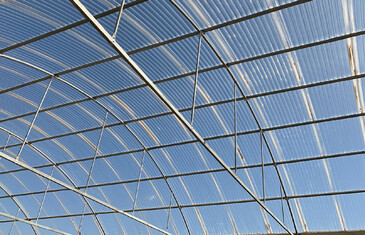
Clear Corrugated Roofing Sheet: Top Choice for Modern Construction
In today’s construction and architecture industry, the demand for durable, lightweight, and high‑performing roofing materials has never been higher. One product that consistently stands out is the clear corrugated roofing sheet — particularly those made from high‑quality polycarbonate materials. This essay dives deep into the advantages, technical specifications, installation best practices, and applications of clear corrugated polycarbonate roofing sheets.
Introduction: What is a Clear Corrugated Roofing Sheet?
Clear corrugated roofing sheets refer to roofing panels made from transparent or ranslucent materials (often polycarbonate) that feature a corrugated profile — i.e., alternating ridges and valleys — which allow the sheet to span between supports and provide structural rigidity, while letting natural light penetrate. The “clear” descriptor emphasises high light‑transmission (versus opaque metal or bitumen roofing). A typical product from Vulcan’s catalogue is described as “Clear Corrugated Polycarbonate Roofing Sheets” under the “Corrugated and Flat Sheets” section.
The main reasons for using clear corrugated roofing sheets are:
- Natural daylighting (reducing need for artificial lighting)
- Lightweight and strong material (polycarbonate)
- Weather‑, UV‑ and impact‑resistant performance
- Adaptability to various roofing profiles (especially when layered over metal roofs)
Why Choose Clear Corrugated Polycarbonate Roofing?
Clear corrugated roofing sheets offer the ultimate fusion of glass-like clarity and industrial-strength protection. These high-performance panels outperform traditional materials by solving the most common challenges in modern construction while maximizing natural light and long-term value.
Superior Light Transmission & Aesthetics
One of the primary advantages of clear corrugated polycarbonate roofing sheets is their high visible light transmission (VLT). High VLT allows for naturally lit roofed spaces such as greenhouses, industrial warehouse skylights, pergolas, walkway covers, side canopies, and more.
Lightweight Yet Strong
Compared to glass, polycarbonate sheeting is much lighter and up to 250 times stronger (in impact resistance). This means less structural support is required, lighter frames, easier handling and installation, reduced labour costs, and potentially lower total project weight.
Durable & Weather‑Resistant
Clear corrugated roofing sheets made from quality polycarbonate are built to withstand weather, UV radiation, and climate changes. These manufacturing and material standards give confidence that the roofing sheet will maintain clarity, resist yellowing, and perform reliably over time.
Versatility & Compatibility
Corrugated profiles are popular because they match existing metal roof profiles (making retrofit easier) and can be used over existing structures or integrated into new builds.
Thermal & Solar Control Options
While “clear” emphasises transparency and daylight, there are variants that incorporate solar/infrared‑blocking additives. This means that even with high light transmission, you can achieve better thermal comfort and energy savings.
Technical Specifications
Profile dimensions, thickness, light transmission, UV protection, and material strength are important factors. Clear corrugated sheets generally have a thickness between 0.6 mm and 2.0 mm, with light transmission up to 88%, and UV protection on one side for long‑term durability.
Clear Corrugated Roofing Sheets: What are the Best Applications and Use Cases?
Clear corrugated roofing sheets serve as a high-performance solution for a wide range of environments, offering unparalleled flexibility in both form and function. These versatile panels adapt to various structural needs while ensuring optimal light and protection.
Clear corrugated roofing sheets are used in:
- Greenhouses and agricultural roofs:
These panels deliver the high light transmission essential for plant growth while offering robust protection against UV rays and extreme weather. - Industrial & commercial skylights:
Integrating clear corrugated roofing sheets into factory or warehouse roofs reduces energy costs by maximizing natural daylighting in workspaces. - Pergolas, carports, walkways, patio covers:
These roofing solutions create weather-proof residential outdoor spaces that remain bright and inviting, shielding users from rain and sun without blocking the view. - Architectural & aesthetic installations:
Designers utilize the unique corrugated texture for modern facades and decorative partitions, blending industrial strength with contemporary style. - Retrofit & replacement solutions:
Designed to match standard metal profiles, clear corrugated roofing sheets are perfect for upgrading old structures or replacing damaged sections with minimal labor.
Maximizing the Potential of Clear Corrugated Roofing Sheets: Installation and Performance
The long-term success of any project depends not only on material quality but also on precision during the build phase. Proper handling of clear corrugated roofing sheets ensures that their structural and aesthetic benefits remain intact for decades.
By following industry-standard techniques and understanding the material’s unique characteristics, you can achieve a professional finish that balances performance with longevity.
Key installation guidelines include:
- Minimum roof pitch: 10% (approx. 5.7°)
- Fixing on the crest of corrugations using proper fasteners
- Allow thermal expansion (approx. 2 mm per 3 m sheet per 10 °C rise):
- Ensure UV‑protected side faces the sun
- Periodic cleaning using mild soap and water
Advantages of Clear Corrugated Roofing Sheets:
- Daylighting & visual comfort:
These sheets maximize natural light to create bright, welcoming environments. By reducing the need for artificial lighting, they enhance visual comfort while promoting energy efficiency in both residential and industrial settings. - Structural efficiency & lightweight design:
The lightweight nature of clear corrugated roofing sheets allows for minimalist framing and reduced structural loads. This simplifies the installation process and significantly lowers material and labor costs for the entire project. - Weather and impact resistance:
Engineered for extreme durability, these panels offer impact resistance up to 250 times stronger than glass. They are built to withstand heavy hail, high winds, and intense UV exposure without cracking or losing clarity over time. - Retrofit compatibility:
Designed to match standard metal roof profiles, these sheets integrate seamlessly into existing structures. This makes them a cost-effective and efficient solution for adding skylights or upgrading aging roof sections without a full overhaul. - Aesthetic flexibility:
The clean, modern lines of corrugated panels complement a wide range of architectural styles. They provide a sleek, industrial aesthetic that bridges the gap between functional protection and high-end contemporary design. - Long‑term cost effectiveness:
Beyond the competitive initial cost, these sheets deliver ongoing savings through lower energy bills and minimal maintenance. Their long lifespan ensures a high return on investment for any commercial or residential building.
Potential Limitations
- Thermal expansion requiring proper allowance:
Polycarbonate expands and contracts more than metal or wood, requiring oversized pre-drilled holes for fasteners. Failing to allow for this thermal movement can lead to buckling, noise, or stress cracks in clear corrugated roofing sheets. - Sound transmission during heavy rain:
Due to their lightweight and rigid profile, these sheets can be louder than traditional masonry or thick timber roofs during heavy rain. This “drumming” effect is a common consideration for residential projects requiring a quiet interior environment. - Possible solar heat gain in fully transparent roofs:
While providing excellent light, the high transparency of clear panels can lead to heat buildup in enclosed spaces. In warmer climates, it is essential to ensure adequate ventilation or choose tinted variants to maintain thermal comfort. - Susceptibility to surface scratches:
Despite their extreme impact strength, clear corrugated roofing sheets have a relatively soft surface that can be scratched by abrasive cleaning or rough handling. Using non-abrasive tools and mild cleaning agents is vital to preserving their visual clarity.
FAQs about Clear Corrugated Roofing Sheets
To help you make an informed decision for your project, we have compiled the most common questions regarding the performance and maintenance of clear corrugated roofing sheets. These insights address the practical concerns of builders and homeowners alike.
1. Will these sheets become yellow or brittle over time?
Quality clear corrugated roofing sheets are treated with a UV-protective coating that prevents the material from breaking down under intense sunlight. As long as the panels are installed correctly and cleaned with non-abrasive materials, they will maintain their clarity and structural integrity for years.
2. Can I walk on these sheets during installation?
You should never walk directly on clear corrugated roofing sheets. While they are incredibly strong in terms of impact, they are not designed to support concentrated human weight. Always use crawl boards or ladders supported by the roof framework to ensure safety and prevent panel damage.
3. How do I clean the panels without scratching them?
The best method is to use lukewarm water with a mild household detergent and a soft cloth or sponge. Avoid using squeegees, brushes, or chemical cleaners, as these can damage the UV-protective layer and leave permanent scratches on the surface.
4. Can clear corrugated roofing sheets be cut to size on-site?
Yes, these sheets are very easy to work with using standard tools. You can cut clear corrugated roofing sheets with a fine-tooth circular saw or a jigsaw to fit specific dimensions, making them highly adaptable for custom structures and quick on-site adjustments.
5. Do these sheets provide any insulation against the cold?
While their primary focus is light transmission, the corrugated profile creates a small air gap that offers basic thermal insulation. However, for projects in extreme climates, clear corrugated roofing sheets are often paired with proper ventilation or used in double-layered configurations to better manage interior temperatures.
Key Factors to Consider When Selecting Clear Corrugated Roofing Sheets
Selecting the ideal clear corrugated roofing sheets depends on matching technical specs to your specific environment:
- Span Capacity: Evaluate thickness against your purlin spacing to optimize structural support and minimize framing costs.
- Profile Compatibility: Ensure the corrugation pitch matches existing roof panels to guarantee a leak-proof, seamless fit.
- Light Transmission: Opt for clear sheets (88% VLT) for maximum brightness, or tinted variants to reduce glare and heat.
- Material Thickness: Choose 1.0 mm or thicker for high-load areas or regions prone to heavy hail and snow.
- UV Warranty: Confirm a minimum 10-year warranty against yellowing to ensure long-term clarity and structural integrity.
Conclusion
A clear corrugated roofing sheet made from premium polycarbonate offers outstanding clarity, strength, and weather protection. From greenhouses to pergolas, it provides efficient daylighting while maintaining durability and design flexibility. When installed correctly with proper fixing and UV orientation, it can last over a decade with minimal maintenance — making it one of the best modern roofing choices for residential, industrial, and architectural projects.
Read More:
Essential Guide to Outdoor Polycarbonate Roofing Design Ideas!
How to Clean Polycarbonate Roof
Polycarbonate Roof Installation : Everything You Need to Know