
Blog
Skylight Leaks When It Rains? Cause and Solutions for Sealing.

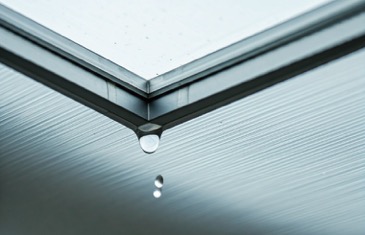
One of the biggest fears of skylights installed with metal roofing sheets or using them standalone outdoors, is the feeling of insecurity whenever the wind is high and the night long in the dark and wet. This feeling of insecurity comes from the fact that skylights material, which is usually made of plastic, expands and contracts, a phenomenon which is even more prevalent in areas with wide temperature ranges; this combined with the potential issues when adjoining different materials, adds to the complexity.
Common causes of skylight leaks when it rains:
- Poor or improper installation:
Poor installation is the number one culprit when it comes to leakage. Improper installation is a recipe for disaster waiting to happen. - Damaged frames or flashings:
Frames and flashings can either be damaged, corroded or improperly installed, which lead to cracks allowing water to seep through. - Worn or cracked seals or sealants:
Although outdoor seals and sealants are designed to withstand the elements and last for a quite a long time, they are still considered consumables which gradually degrade and crack over time, leading to leaks. - Condensation:
Depending on weather conditions, condensation can build up and drip, and sometimes considered as leaks. - Damaged roofing and its surroundings:
Damaged roofs and its surrounding areas can sometimes direct water to skylights, causing leaks. - Clogged gutters or weep holes:
Gutters and weep holes are designed as water drainage and strategically placed to lead water away from the skylights, and if clogged, could result in water backing towards the skylights.
Solutions and Remedies for preventing Skylight Leaks:
- Proper installation is key to a successful and long-lasting Skylight project. Follow manufacturer’s instructions, use proper tools, and most important of all, do not take any shortcuts. Better safe than sorry and prepare for a rainy day pretty much explains it all.
- Fix any damages to frames or flashings at the first sign of distress, replace if necessary; better not be penny-wise and pound foolish.
- Reapply sealant and replace seals regularly or at the first sign of leakage. Remove any old sealant or seals and clean the surface before reapplying.
- Improve insulation and circulation by adding ventilation holes, or by adding insulation to prevent condensation.
- Inspect the roof and its surroundings regularly for any damages and fix any issues that may direct water toward the skylight.
- Weep holes and gutters should be regularly inspected and cleaned, especially in high wind or forest areas, since leaves and debris clog holes easily.
- Replace broken skylights could be the best solution as it often fixes the root cause of leakage, it is also an opportunity to check out new models and technologies.
Although there are lots of remedies to skylight leakage, it is still best to take preventive measures every step of the way; such as, choosing the correct tools and accessories prior to, following instructions during, and performing regular maintenance after installation.