Polycarbonate Canopy & Awnings for Roofing and Covers
VULCAN’s Polycarbonate Canopy and Awning Solutions
Polycarbonate roofing and wall cladding sheets are some of the most durable, versatile, light-penetrating, and virtually unbreakable of building materials available on the market.
VULCAN Polycarbonate sheets, renowned for their strength and lightweight nature, are ideal for creating durable polycarbonate canopies and awnings. Being 250 times stronger than glass and surpassing FRP and acrylic in impact resistance, they offer exceptional protection and reliability.
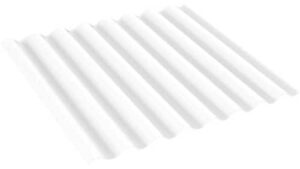
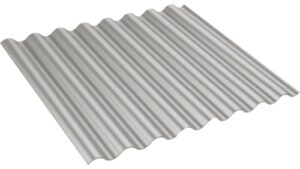
Available in customizable sheets and rolls, these fireproof and weather-resistant material are perfect for versatile civil construction needs, ensuring secure and long-lasting polycarbonate canopies and awnings.
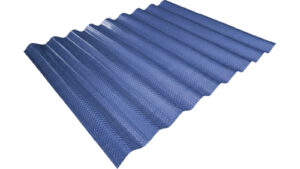
Polycarbonate Canopies: EMBOSSED and FLAT Sheet Options Explained
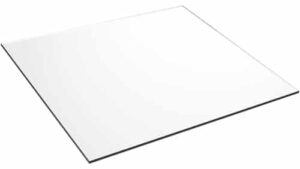
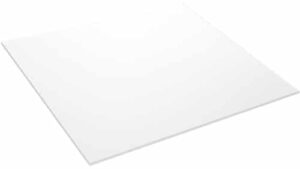
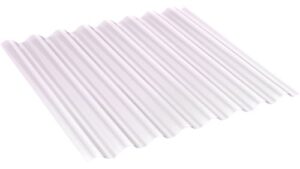
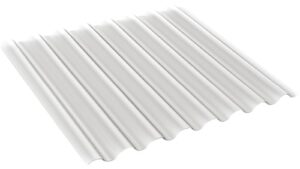
VULCAN Polycarbonate canopies and awnings roofing sheets, including the unique Solid EMBOSSED and Solid Flat Series, offer unparalleled versatility in design, catering to a wide range of structural designs and preferences. The Solid EMBOSSED Series, known for its textured, frosted surface, provides additional light-diffusing features, ideal for applications requiring softened, indirect light.
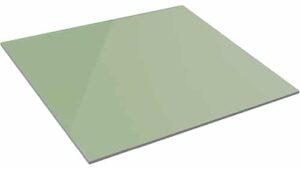
In contrast, the Solid Flat Series maintains a sleek, smooth appearance for traditional design needs. Both series are available in various profile types, colors, and sizes and can be adapted for flat or curved surfaces through cold bending. This range of options ensures endless possibilities and combinations, allowing for creative and functional architectural solutions in canopy and roofing designs.
Material Properties of Polycarbonate Canopies and Awnings
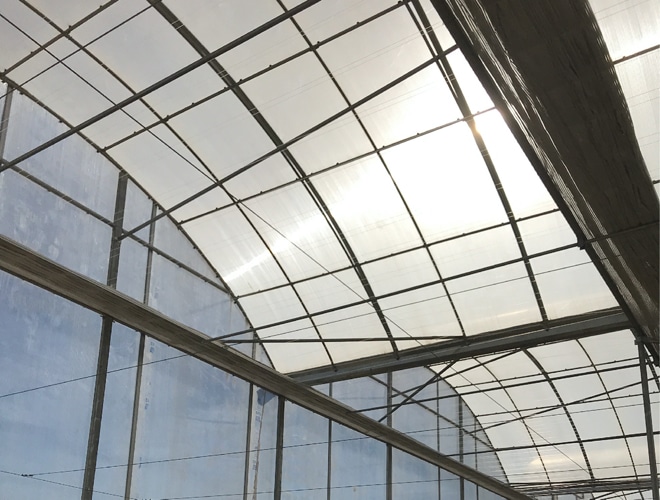
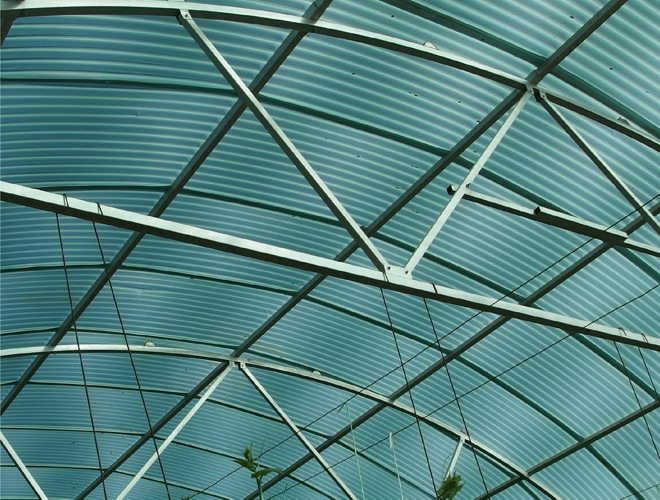
Polycarbonate canopies and awnings are valued because they combine strength, design flexibility, light transmission, and long-term outdoor durability in one roofing material. For residential, commercial, and architectural projects, the material selection should not only focus on appearance, but also on how the sheet performs under sunlight, rain, wind, heat, impact, and daily exposure. VULCAN polycarbonate sheets can be supplied with different material properties, surface finishes, colors, coatings, and light-control functions to suit different canopy and awning applications.
For areas where maximum daylight is required, clear polycarbonate sheets are an excellent choice because they allow bright natural light to pass through while still providing protection from rain and weather. However, clear sheets may create more glare and heat buildup if used in highly exposed locations. Opal or diffused polycarbonate sheets help soften sunlight, reduce direct glare, and create a more comfortable shaded area, making them suitable for walkways, patios, terraces, and public waiting areas. Solar infrared heat-reduction polycarbonate sheets are recommended where thermal comfort is important, especially in hot climates or west-facing installations. Tinted, reflective, or shaded polycarbonate sheets provide additional privacy and solar control, but they reduce visible light transmission compared with clear sheets.
The main advantage of polycarbonate is its balance between lightweight handling and high impact resistance. It is much easier to install than glass and safer for overhead roofing applications. Its weakness is that correct installation is important: sheets need proper fixing, allowance for thermal expansion, suitable washers, and compatible accessories. When the correct sheet type is selected and installed properly, polycarbonate canopies and awnings offer an ideal solution for durable, modern, and light-filled outdoor protection.
Strength and Weakness of Each Material Property
| Material Property / Sheet Option | Strengths for Canopies and Awnings | Possible Weaknesses / Considerations | Recommended Applications |
| Maximum Natural Light Penetration / Clear Polycarbonate | Provides the brightest daylight effect; ideal for open, transparent roofing; creates a clean and modern architectural appearance. | May allow more glare and heat transmission in exposed areas; may require tinted or IR-cut options for hot climates. | Entrance covers, skylight-style canopies, walkways, bright patios, architectural roofing. |
| Diffused Indirect Light / Opal Polycarbonate | Softens sunlight, reduces direct glare, and creates a more comfortable shaded area while still allowing natural brightness. | Lower transparency compared with clear sheets; objects above or behind the sheet are less visible. | Patios, terraces, school walkways, public waiting areas, outdoor seating covers. |
| Solar Infrared Heat Reduction / IR-Cut Polycarbonate | Helps reduce solar heat buildup while maintaining usable daylight; improves comfort under the canopy. | Usually higher in cost than standard clear or tinted sheets; color tone may differ depending on the selected series. | Hot-climate awnings, west-facing canopies, carports, commercial entrances, outdoor corridors. |
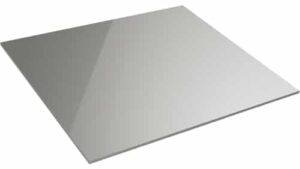
| Shaded Light Penetration / Tinted Polycarbonate | Reduces brightness, improves visual comfort, and adds color options such as bronze, grey, green, or blue. | Less daylight compared with clear sheets; the selected color affects the overall appearance of the building. | Balconies, shopfront awnings, carports, outdoor seating areas, decorative roof covers. |
| Interference Color Reflection / Reflective Polycarbonate | Provides a premium visual effect and stronger solar shading; helps create a distinctive architectural style. | Reflective appearance may not suit every building design; light transmission is lower than clear options. | Commercial facades, modern canopies, designer awnings, feature roofing, architectural entrances. |
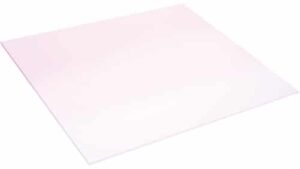
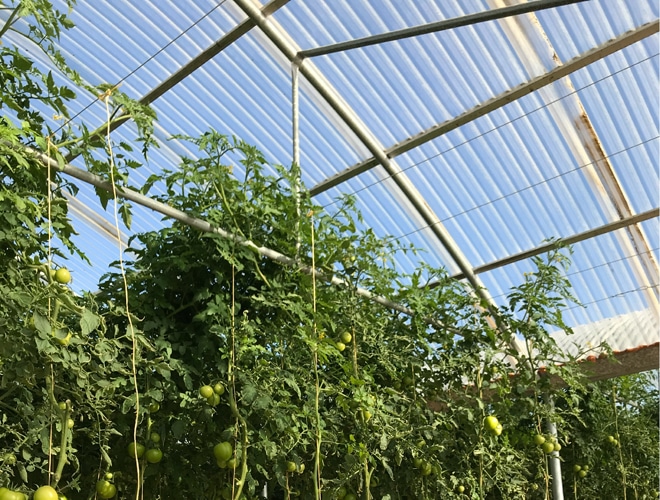
| PAR Selective + Solar Heat Reduction / Pearly Series | Designed for light management, solar control, and a refined appearance; suitable where comfort and controlled light are important. | More specialized than standard sheet options; selection should match the project’s light and heat requirements. | Greenhouse-related covers, controlled-light roofing, premium outdoor covers, special architectural projects. |
| High Impact Resistance | Stronger and safer than many traditional transparent materials; suitable for overhead protection against rain, wind, and debris. | Surface scratching can occur if cleaned with abrasive tools or harsh chemicals. | Canopies, awnings, walkways, carports, public areas, industrial covers. |
| Lightweight Structure | Easier to transport, cut, handle, and install compared with glass; reduces structural load. | Lightweight sheets still require proper framing, fixing spacing, and wind-load consideration. | Residential roofing, retrofit canopies, DIY-friendly awnings, commercial renovations. |
| UV and Weather Resistance | Helps protect the sheet from outdoor exposure, yellowing, and degradation; suitable for long-term exterior use. | The UV-protected side must face the correct direction during installation. | Outdoor roofing, sun-exposed canopies, balcony covers, patio roofs, tropical and coastal environments. |
| Cold Bending and Design Flexibility | Can be used for flat or curved canopy designs; allows more architectural freedom than rigid glass. | Minimum bending radius must be followed to avoid stress and deformation. | Curved entrances, arched walkways, modern awnings, customized architectural covers. |
Additional properties can be added to VULCAN polycarbonate sheets with the help of co-extruded coatings or additives. Below is a list of materials and their properties. For more detailed information, please check out our Material Properties Guide page.
- Maximum Natural Light Penetration: Valuview Clear/LiteGuide Series
- Maximum Natural Light + Diffused Indirect Light Penetration: Valuview Opal/LiteGuide Series
- Maximum Natural Light Penetration + Solar Infrared Heat Reduction: Solarshield Green/Blue IR-Cut Series
- Shaded Light Penetration + Interference Color Reflection: Valuview Green/Blue/Bronze/Grey
- Shaded Light Penetration + Interference Color Reflection + Solar Infrared Heat Reduction: Ti-Lite Blue/Green/Silver/Bronze
- Shaded Light Penetration + PAR Selective + Solar Infrared Heat Reduction: Pearly
Everything You Need to Know About Polycarbonate Canopies
Q1. What is a polycarbonate canopy?
A polycarbonate canopy is a lightweight yet durable covering structure made from high-quality polycarbonate sheets. Polycarbonate canopies are designed to protect against rain, sunlight, and harmful UV rays while allowing natural light to filter through.
They are widely used in residential, commercial, and industrial buildings—such as entrances, walkways, carports, and patios—thanks to their modern appearance and exceptional durability.
Q2. Is polycarbonate good for a roof?
Yes, polycarbonate canopies are an excellent roofing solution. Polycarbonate is about 250 times stronger than glass, lightweight, and easy to install.
Its UV protection, heat insulation, and long-term weather resistance make it ideal for skylights, patios, and greenhouse roofing. Whether for residential or commercial spaces, polycarbonate canopies provide both functionality and aesthetic appeal.
Q3. Is polycarbonate good for awning?
Absolutely. Polycarbonate canopies are perfect for awnings due to their superior strength, flexibility, and light transmission. They provide long-lasting protection against sunlight, rain, and UV rays without blocking natural brightness.
Compared with traditional metal or fabric awnings, polycarbonate canopies last longer, require less maintenance, and offer a sleek, modern design.
Q4. How long do polycarbonate awnings last?
Polycarbonate canopies and awnings typically last between 10 to 20 years, depending on the quality of the material, UV coating, and environmental conditions. When properly installed and maintained, polycarbonate canopies retain their clarity and strength for many years, resisting yellowing and cracking even under harsh outdoor conditions.
Q5. What are the advantages of using polycarbonate canopies and awnings?
- High Impact Resistance:Up to 250 times stronger than glass, providing excellent protection against hail, wind, and debris.
- Lightweight and Easy to Install:Despite their strength, polycarbonate sheets are light, reducing structural load and installation costs.
- UV Protection:Built-in UV coatings block up to 99% of harmful rays, preventing sun damage while maintaining bright natural light.
- Weather Resistance:Durable under rain, heat, and humidity, ensuring long-lasting outdoor performance without warping or cracking.
- Excellent Light Transmission:Allows soft, natural daylight to pass through, creating a bright and pleasant environment.
Q6. Difference Between Polycarbonate Canopy and Awnings
Although the terms “polycarbonate canopy” and “polycarbonate awning” are sometimes used interchangeably, they are not always the same in design, structure, or application. A polycarbonate canopy generally refers to a larger overhead covering system designed to protect a wider area, such as an entrance, walkway, carport, loading area, terrace, or public access route. Canopies are often supported by a frame, posts, brackets, or a larger structural system. They are commonly used where people, vehicles, doors, windows, or outdoor spaces need reliable protection from rain, sunlight, and falling debris.
A polycarbonate awning is usually smaller and more directly attached to the wall of a building. It is commonly installed above windows, doors, balconies, shopfronts, or narrow outdoor areas to provide shade and weather protection. Awnings are often used to reduce direct sunlight entering the building, protect doors and windows from rain, and improve the exterior appearance of the property.
In simple terms, a canopy is usually a larger covering structure, while an awning is usually a smaller wall-mounted shade or rain cover. Both can be made with polycarbonate sheets, and both benefit from polycarbonate’s lightweight strength, impact resistance, UV protection, and light-transmitting properties. The best choice depends on the project size, installation location, structural support, wind exposure, and the amount of light or shade required.
Canopy vs. Awnings
| Item | Polycarbonate Canopy | Polycarbonate Awning |
| Typical Size | Larger coverage area | Smaller or more localized coverage |
| Common Location | Entrances, walkways, carports, patios, public areas | Doors, windows, balconies, shopfronts |
| Structural Support | May require posts, beams, brackets, or full framing | Usually wall-mounted with brackets |
| Main Purpose | Protects people, vehicles, and open areas | Provides shade and rain protection for specific openings |
| Design Style | Can be flat, curved, extended, or freestanding | Usually compact, attached, and projected from the wall |
| Best Use | Larger architectural and functional cover projects | Smaller building protection and exterior shading |
Q7. Common Uses of Polycarbonate Canopy and Awnings
Polycarbonate canopies and awnings are widely used because they provide practical weather protection without making outdoor areas feel dark or enclosed. In residential projects, they are commonly installed above front entrances, side doors, patios, balconies, terraces, garden walkways, and carports. Homeowners choose polycarbonate because it allows natural light to pass through while protecting the area from rain, UV rays, and direct sunlight. Compared with traditional metal roofing, polycarbonate creates a brighter and more open outdoor space.
In commercial buildings, polycarbonate canopies are often used for shopfronts, hotel entrances, office buildings, restaurants, cafés, schools, hospitals, and public facilities. A well-designed canopy improves the appearance of the building while giving visitors a dry and comfortable waiting or walking area. For retail stores and restaurants, polycarbonate awnings can also help protect signage, windows, doors, outdoor seating, and customer entry points.
Industrial and infrastructure applications also benefit from polycarbonate roofing covers. Warehouses, factories, loading bays, parking areas, equipment shelters, bicycle parking zones, and transport stations often require strong, lightweight, and weather-resistant covers. Polycarbonate sheets are suitable for these environments because they are easier to handle than glass, more impact resistant than many transparent alternatives, and available in different light-control options. Whether the project requires clear daylight, soft diffused light, reduced heat, or tinted shading, polycarbonate canopies and awnings offer a flexible solution for modern roofing and outdoor protection.
Common Applications
| • Residential entrance covers | • Patio and balcony roofing |
| • Carports and parking shelters | • Garden and walkway covers |
| • Shopfront awnings | • Hotel, office, and commercial entrances |
| • Restaurant and cafe outdoor seating covers | • School and hospital walkways |
| • Factory and warehouse loading bay covers | • Bicycle parking and public transport shelters |
| • Decorative architectural roof covers | • Window and door rain protection |
Read more:
Installing Polycarbonate Roofing: The Complete Installation Guide
Size of Polycarbonate Sheet Selection : How to Choose correctly