
Blog
Making a Greenhouse Like a Pro: Tips and 10 Common Mistakes

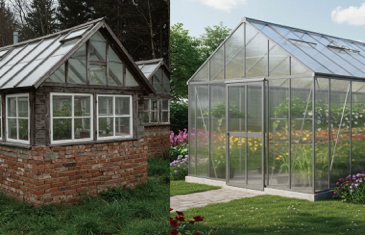
Key Factors That Define a Successful Greenhouse
Greenhouses are more than just plant shelters—they are controlled environments that allow vegetables, flowers, and other plants to thrive regardless of external weather conditions. Making a greenhouse properly ensures the perfect balance of light, temperature, and humidity, allowing plants to grow optimally year-round. But what separates an ordinary greenhouse from a professional one?
To make a greenhouse like a pro, you need to consider crucial factors such as location, material choices, ventilation, and insulation. A poorly designed greenhouse can lead to overheating, poor air circulation, and even plant diseases. Understanding the best practices and common pitfalls is the key to long-term success.In this guide, we’ll cover 6 must-know tips for making a greenhouse efficiently and highlight 10 common mistakes to avoid. Whether you’re a beginner or looking to upgrade your existing setup, these insights will help you build a durable, high-yield greenhouse like a pro!
6 Must-Know Tips for Successfully Making a Greenhouse
What makes a good professional greenhouse, one may ask? When making a greenhouse, below is a list of key points to take note of:
1.Location, Location, Location
Choosing the right location and building your greenhouse in the optimal orientation is basically winning half the battle. One of the most important aspects when growing any type of plant or vegetable is where and when they shall receive sunlight; and in ample amounts.
Wind, rain, snow and hail protection is also important, which should also be taken into consideration when choosing a spot.
2.Material Choice
Building an efficient and durable greenhouse relies on selecting the right combination of “covering” and “structural” materials, with the market’s primary options evaluated below:
- Glazing Material: For maximum clarity and sunlight penetration, the best material choice available on the market has to be either Polycarbonate or Glass. None of the other glazing materials available on the market comes close to the combined properties that polycarbonate and glass offers – Acrylic/PMMA sheets come close in terms of clarity, though it requires extra post-processing to make it shatter proof.
- Structural Material: When it comes to greenhouse structure materials, people choose wood, steel, or aluminum. Each has its own advantages and disadvantages, but these types of material structures can all be designed to be covered with glazing materials. The choice often depends on factors such as budget, the climate in the area, and aesthetic preferences.
Read more: Acrylic Glass vs Polycarbonate: Which is Better for Your Needs?
3.Material Quality
- When making a greenhouse, choose materials according to the environmental conditions of the area. In areas where high wind and rain is prevalent, stronger structures are required, and it may be wiser to use galvanized steel or oversized aluminum structures paired with extra purlins and rafters to support the glazing material that is covered on top.
- Plastic glazing materials such as polycarbonate, FRP or Acrylic sheets should all have UV protective coatings, as the ultraviolet rays from sunlight tend to damage the sheets over time, diminishing its physical integrity as well as its light transmission rates, which results in poor plant growth and decrease the lifespan of the greenhouse structure.
- Should glass be the choice of glazing material, due to safety reasons, it is important that the glass is tempered, as standard glass tends to shatter when damaged and can be dangerous to anything that is sitting underneath.
- Budget constraint users might choose PE (Polyethelene) film. This is the most common cover material for budget greenhouses or for areas less prone to weathering damage. It is thin, very light weight, and very easy to replace; however, being thin and light weight also means that PE is often not strong enough when encountering strong winds or sharp objects.
PE is also the least transparent among the three materials, and even less so when it starts to yellow due to weathering, so it is also important for it to come with UV protective coatings.
Read more: Greenhouse Materials: How to Pick the Right Frame and Covering
4.Proper Ventilation
Since the goal of a greenhouses is to create a closed space that protects anything that is enclosed within, it is recommended to install manual or automatic vents and use either natural airflow or fans to regulate temperatures and prevent mold or mildew.
5.Proper Lighting
With the invention of greenhouses, came the use of artificial lighting, which is a must in higher altitude areas where sunlight is scarce. When making a greenhouse, providing ample lighting and controlling the plant circadian rhythm could result in increased yield year-round.
6.Water and Humidity control
Water and humidity control is extremely important in very dry or wet environments, where a properly built greenhouse can create a perfect balance in between and a high yield environment for optimum growth.
10 Common Mistakes to Avoid When Making a Greenhouse
Now that we’ve covered the pro tips for making a great greenhouse, it’s time to move on to discuss some of the most common mistakes and how they can be avoided.
1.Poor Site Selection
Location and orientation are very important factors, especially considering that once it is set, making changes will be very difficult, if not impossible. Placing the greenhouse in a shaded or low-lying area can reduce effectiveness, so it is recommended to choose a site that receives plenty of sunlight throughout the day. Ideally, position your greenhouse facing south (in the Northern Hemisphere) or north (in the Southern Hemisphere) to maximize sunlight exposure throughout the day.
2.Inadequate Ventilation
Without proper air circulation, plants can suffer from heat stress and disease. Greenhouse ventilation can be split into two categories: Passive or Active.
- Passive ventilation uses openings (vents) which naturally draw air through the greenhouse. Rule of thumb is that roof ventilation is a more effective method of air exchange than side wall ventilation.
- Active ventilation is the use of equipment to force air into or out of the structure. Fans are the most common and cost effective method of actively venting a greenhouse. Fans can be either strategically placed to either move or circulate air within, though please remember that circulating fans are more effective when used inside passively ventilated structures and air pulled through the full length of each bay to prevent hot air pockets from remaining.
3.Wrong Glazing Material
Using the wrong type of plastic or glass can lead to excessive heat loss or poor durability. This can be avoided or corrected by consulting an expert and choosing glazing material that suits the environment. For example, one would avoid using a dark, high shade covering in areas where sunlight exposure is already limited, and vice-versa.
4.Overcrowding Plants and Animals
Poor air circulation increases the risk of pests and disease. Like humans, animals and plants require adequate space in order to stay active and healthy. There are numerous instances where pest and disease control get out of hand due to insufficient living space.
5.Ignoring Temperature Control
Failing to monitor temperature swings can kill plants. Use thermometers and fans. Building a greenhouse without adequate control over temperatures totally negates the purpose of building it in the first place.
6.Forgetting About Insulation
A greenhouse should be well equipped to the point of being able to create or reproduce an environment suitable for the target produce. For example, sealing gaps and cracks to prevent heat loss might be a good place to start, using bubble wrap or weather stripping is also very common.
Keeping temperature humidity, among other factors, stable, is very important as most crops can not survive fluctuations of more than a couple of degrees.
7.Overwatering or Underwatering
Inconsistent watering leads to stressed plants. Too much water may flood the plants, causing the roots to soak and rot, while too little water may lead to drought, and the plant to wither and die. Use self-watering systems with integrated timers if possible.
8.Skipping Pest Management
Greenhouse pest is such a prevalent issue within the greenhouse community; any disease outbreak is a serious pain, which can easily get out of hand if not addressed properly. It usually stems from a susceptible host plant and presence of a pest or disease, none of which can proliferate without a suitable environment. Introducing beneficial insects or traps, or simply by installing screens on all air intakes can significantly reduce the chance of pest infection.
9.Not Rotating Crops
Growing the same plants in the same spot invites soil depletion and diseases, not to mention how it leads to depleted soil nutrients and lower yield. Soil, like any living organisms, needs to take a break once in a while.
10.Neglecting Regular Maintenance
Failing to clean the greenhouse can lead to algae growth, clogged vents, and structural damage. Other consequences such as structural damage, reduced light transmission, stagnant air, lower plant quality, and increased energy costs are just some of the many issues that stem from neglect.
Frequently Asked Questions About Making a Greenhouse
Stepping into the world of DIY greenhouse construction involves practical logistics beyond just materials and ventilation. To help you navigate the foundational decisions of your project, here are the top questions aspiring growers ask before hammering the first nail.
Q1: What is the ideal size for a beginner greenhouse?
A 6×8 feet or 8×10 feet greenhouse is the ideal sweet spot. It provides enough space to walk and grow comfortably without being overwhelming to manage. If budget allows, always build one size larger than you think you need.
Q2: How do you anchor a greenhouse to prevent wind damage?
Wind is a greenhouse’s biggest threat. For soil bases, use heavy-duty corkscrew ground anchors or deep rebar stakes. For sturdier frames, bolt the base sill directly into concrete footings or a heavy timber foundation.
Q3: How can I keep a greenhouse warm in winter without electricity?
Use thermal mass—place large water barrels painted black inside; they absorb sun heat during the day and release it at night. Additionally, line the interior walls with bubble wrap or use overnight frost blankets over your plants.
Elevate Your Journey of Making a Greenhouse with Vulcan
Hope you now have basic knowledge on how to make a greenhouse like a pro with these “Pro” tips and also the common mistakes to avoid. By following these tips and avoiding common mistakes, you’ll create a productive and long-lasting greenhouse.
For the best results, choosing high-quality materials is essential. Vulcan Plastics offers premium polycarbonate roofing solutions that provide superior durability, UV protection, and light transmission—perfect for making a greenhouse that lasts. Visit Vulcan Plastics today to explore their range of top-tier greenhouse materials and take your greenhouse project to the next level!
Read more:
Designing A Greenhouse: Benefit, Considerations, and Materials!
Polyvinyl Chloride Greenhouse vs Polycarbonate: Which is Best?